


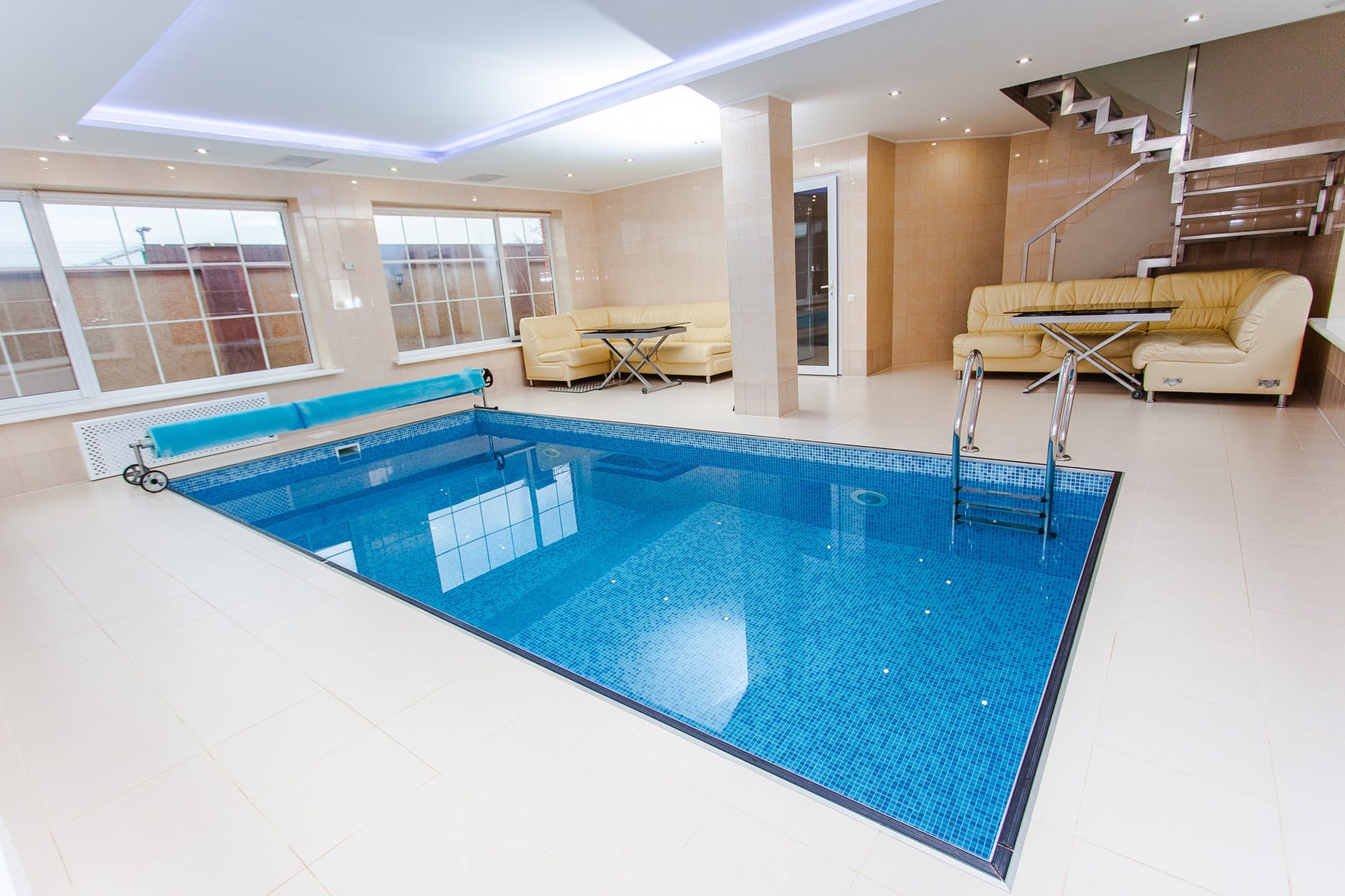
Owning a swimming pool can feel like having a personal oasis—refreshing dips on hot days, a centerpiece for gatherings, and a boost to home value. Yet many homeowners underestimate the true cost of running a pool. In 2026, fluctuating energy prices, rising labor costs, and advancements in pool technology all influence what you’ll spend annually. Let’s break down what it really costs to run a pool this year to help you budget wisely (and keep the water shimmering).
1. Energy Costs: Pumping and Heating
Pool Pump
One of the biggest recurring expenses is electricity for your pool pump. Most pools run a circulation pump that filters water to keep it clean and safe.
- Old pump (single-speed): These can draw 1,500–2,200 watts and run 8–12 hours daily.
- Modern pump (variable-speed): More efficient; can cut energy use by 50–70% compared with traditional models when sized/used properly.
Estimated annual cost (2026):
- Single-speed: $600–$1,000+
- Variable-speed: $250–$600
Tip: Use a variable-speed pump and a timer to run it less during low-use hours. Many utilities also offer rebates for energy-efficient models.
Pool Heater
If you heat your pool, energy costs can rise significantly:
- Gas heaters (propane/natural gas) heat fast but are heavily influenced by fuel prices.
- Electric heat pumps are more efficient but depend on your electric rate.
- Solar heaters/hot water integration can drastically cut costs but have upfront expenses.
Estimated annual heating costs:
- Gas heater: $800–$2,000+ during cooler months
- Heat pump: $500–$1,500
- Solar: Low to minimal (after installation)
Exact costs vary by climate, usage, and how warm you keep the pool.
2. Water and Chemical Costs
Keeping the water balanced isn’t optional—you need chemicals and occasional water top-ups.
Chemicals
Common chemicals include chlorine (or salt for salt systems), pH balancers, algaecides, stabilizers, and shock treatments. Prices vary, but expect:
- Annual chemical costs: $300–$800
Saltwater systems often have higher upfront equipment costs but lower ongoing chlorine purchase costs.
Water
Evaporation and splash-out mean you’ll periodically add water. In dry climates or during drought restrictions, water prices may hike.
- Annual water refill cost: $50–$300+ depending on local rates and how often you top up
A smart pool cover can reduce both evaporation and heating costs significantly.
3. Maintenance: DIY vs. Pro Service
Keeping your pool clean and functioning involves time—or money if you hire help.
DIY Maintenance
Tools: skimmer net, brush, vacuum (manual or robotic), test strips, and cleaning supplies.
- Estimated DIY cost: $150–$400/year (supplies)
- Your time: priceless—or pricey if you value your weekends!
Professional Service
If you’d rather skip maintenance chores, pro services typically visit weekly.
- Weekly professional service: $100–$200 per visit
- Annual total: $5,000–$10,000
Services include cleaning, chemical balancing, minor repairs, and filter care.
4. Repairs and Equipment Replacement
Pools have moving parts that wear over time—from pumps and filters to heaters and automation systems.
Typical Replacement Costs
- Pump: $400–$1,200
- Filter (sand, cartridge, DE): $150–$1,000+
- Heater: $1,000–$3,000+
- Automation controller: $300–$1,200+
Setting aside a “pool repair fund” of $200–$500/year is wise. Unexpected issues—leaks, cracked tiles, sensor failures—can be costly if not planned for.
5. Insurance and Safety Costs
Owning a pool can increase your homeowner’s insurance premium. Estimates vary greatly by provider and location, but:
- Annual insurance increase: $100–$300+
Safety upgrades like fences, locks, alarms, and covers aren’t just smart—they may reduce insurance costs and liability risk.
6. Seasonal Opening and Closing
In cooler climates where pools aren’t year-round:
- Opening (spring): drain covers, install equipment, chemical start-up – $100–$300 DIY or $200–$600 pro
- Closing (fall): winterizing, cover install – $100–$300 DIY or $200–$600 pro
Skipping professional help here can save money but may risk damage in winter.
7. Upgrades and Technology
Newer tech can cost upfront but reduce long-term expenses:
- Smart controllers: optimize pump/heater cycles.
- Solar covers: lower heat and water loss.
- LED pool lights: use 80–90% less energy than old halogen lights.
- Salt systems: alternative to traditional chlorine.
While upgrades might cost $500–$3,000+, many pay back through lower energy/chemical costs.
Putting It All Together: Typical Annual Cost Range (2026)
| Category | Low Estimate | High Estimate |
|---|---|---|
| Energy (pump & heater) | $800 | $3,000+ |
| Chemicals & water | $350 | $1,100 |
| Maintenance (DIY) | $150 | $400 |
| Maintenance (pro) | $5,000 | $10,000 |
| Repairs/Replacement fund | $200 | $500 |
| Insurance | $100 | $300 |
| Seasonal services | $0 | $1,200 |
| Total (DIY) | $1,600 | $6,000+ |
| Total (Pro Service) | $6,000 | $16,000+ |
Your actual cost depends on pool size, location, usage, and whether you hire help.
Tips to Manage and Lower Costs
✔ Use a Variable-Speed Pump
Big savings on electricity and often eligible for utility rebates.
✔ Cover Your Pool
Reduces heating and water loss dramatically.
✔ Monitor Chemicals Efficiently
Test often and add doses incrementally.
✔ Shop Seasonal Deals
Equipment, chemicals, and covers often discount in the off-season.
✔ Compare Maintenance Options
Mix DIY with occasional professional check-ins.
Final Thoughts
Running a pool is more than just an occasional hose refill and skim. In 2026, energy efficiency, local utility rates, service choices, and technology selection all shape your annual costs. With thoughtful planning and smart upgrades, you can enjoy your pool while keeping the budget in check.
If you want, I can tailor a cost estimate specifically to your pool size, location, and usage pattern—just share the details! 🏊♂️✨