


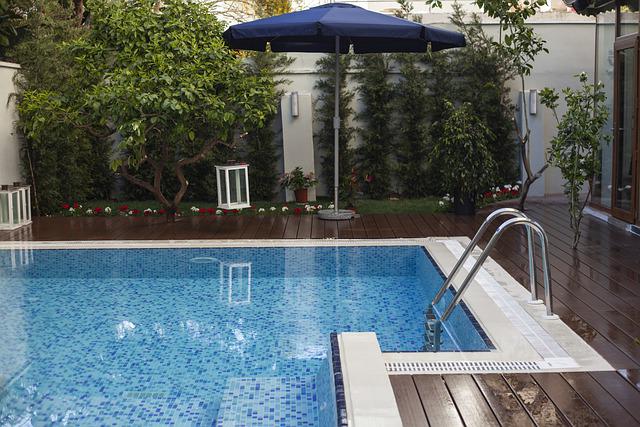
Water conservation isn’t just a buzzword anymore — it’s a necessity. For pool owners, one of the biggest (and most overlooked) sources of water loss isn’t leaks or splash-out. It’s evaporation. In fact, evaporation can account for up to 70% of total pool water loss each year. The good news? Smart pool covers are changing the game, helping homeowners save thousands of gallons of water annually while also reducing energy and chemical costs.
Let’s break down how smart pool covers work, why evaporation is such a problem, and how these innovative systems deliver serious savings.
Why Pool Evaporation Is a Bigger Problem Than You Think
Evaporation happens whenever water molecules escape into the air — and pools are especially vulnerable. Warm water temperatures, direct sunlight, wind, and low humidity all accelerate evaporation. During peak summer months, an uncovered pool can lose ¼ to ½ inch of water per day. Over a season, that adds up fast.
To put it into perspective:
- A standard 16’ x 32’ pool can lose 10,000–25,000 gallons of water per year from evaporation alone.
- Every gallon lost must be replaced — increasing water bills and stressing local water supplies.
- Refilled water disrupts chemical balance, requiring more chlorine and adjustments.
Evaporation isn’t just a water issue — it’s a cost issue.
What Are Smart Pool Covers?
Smart pool covers go beyond traditional manual covers. While basic covers already reduce evaporation, smart covers integrate automation, sensors, and app-based controls to optimize performance with minimal effort from the pool owner.
Common smart pool cover features include:
- Automatic opening and closing
- Weather-responsive controls
- Smartphone app integration
- Temperature and evaporation sensors
- Timed schedules based on usage patterns
These systems ensure the pool stays covered when it should be — not just when someone remembers to do it.
How Smart Pool Covers Reduce Evaporation
1. Creating a Physical Barrier
At the most basic level, a pool cover blocks direct contact between water and air. This alone can reduce evaporation by up to 95% when the cover is fully deployed. Smart covers maximize this benefit by ensuring the pool stays covered during high-evaporation conditions like hot afternoons and windy days.
2. Automated Weather Response
Many smart pool covers connect to local weather data or use onboard sensors. When temperatures rise, winds pick up, or humidity drops, the system can automatically close the cover — protecting water without manual intervention.
This automation is key. Studies show that pools with manual covers often remain uncovered simply due to inconvenience. Smart systems eliminate that gap.
3. Maintaining Stable Water Temperature
Warmer water evaporates faster. Smart covers help retain heat overnight and prevent temperature spikes during the day. By stabilizing water temperature, they indirectly reduce evaporation while also lowering heating costs.
4. Minimizing Wind Exposure
Wind dramatically increases evaporation by sweeping moisture away from the pool surface. Smart covers close during windy conditions, reducing this effect and preserving water levels even during unpredictable weather.
How Much Water Can You Really Save?
The numbers are impressive. Depending on pool size and climate, smart pool covers can save:
- 10,000–25,000 gallons of water per year
- 30–50% reduction in water refill costs
- Thousands of gallons during peak summer months alone
In drought-prone regions or areas with water restrictions, this can make the difference between keeping your pool open or facing usage limitations.
Added Benefits Beyond Water Savings
While water conservation is the headline benefit, smart pool covers offer several additional advantages:
Lower Energy Costs
By reducing heat loss, smart covers can cut pool heating expenses by 50–70%. Pumps and heaters don’t have to work as hard to maintain temperature.
Reduced Chemical Usage
Less evaporation means fewer refills, which keeps chemical levels stable. Pool owners often report 20–40% savings on chemicals annually.
Cleaner Water
Covers keep debris, dust, pollen, and insects out of the pool — reducing filter strain and cleaning time.
Enhanced Safety
Many smart covers are designed to support weight, adding a critical safety layer for children and pets.
Are Smart Pool Covers Worth the Investment?
While smart pool covers have a higher upfront cost than traditional covers, the long-term savings quickly add up. When you factor in reduced water bills, energy savings, lower chemical use, and extended equipment life, many homeowners see a return on investment within a few years.
In regions with rising utility costs or water restrictions, that payoff can come even faster.
Final Thoughts
Evaporation is a silent drain on your pool — wasting water, money, and energy every single day. Smart pool covers tackle this problem head-on with automation, efficiency, and real-world savings. By keeping your pool covered at the right times, they can save thousands of gallons of water annually, reduce operating costs, and make pool ownership more sustainable.
In a future where water conservation matters more than ever, smart pool covers aren’t just a luxury — they’re a smart investment.